Fibroids and Fertility: Your Journey From Diagnosis to Parenthood

The path from a fibroid diagnosis to parenthood usually has five steps: mapping your fibroids, checking overall fertility, deciding whether treatment is needed, recovering if you have a procedure and then trying to conceive with monitoring. Many women never need…
Trying to Conceive With Fibroids: How They Affect Pregnancy and What to Do

Many women conceive naturally with fibroids, especially when the fibroids do not touch the uterine cavity. Fibroids inside the cavity are the type most likely to delay pregnancy, and removing them can help. If you have been trying for 12…
Do Fibroids Go Away on Their Own? When to Wait and When to Treat

Most fibroids do not go away on their own before menopause. They usually stay the same size or grow slowly, then shrink after menopause when hormone levels fall. Small fibroids without symptoms can be monitored, while fibroids that cause heavy…
Fibroids and Miscarriage: What the Research Shows and How to Plan a Pregnancy

Most women with fibroids have healthy pregnancies, and fibroids alone do not clearly raise miscarriage risk for everyone. Fibroids that grow into the uterine cavity are the type most often linked to pregnancy loss and lower implantation. A specialist can…
When to See a Fibroid Specialist: Signs, Second Opinions and What to Expect

See a fibroid specialist when fibroid symptoms affect your daily life, when heavy bleeding causes anemia, when fibroids grow, when you are trying to get pregnant or when you want to avoid a hysterectomy. A specialist can explain every treatment…
Uterine Fibroids: Types, Causes, Symptoms and Treatment Options

Uterine fibroids are common, noncancerous growths of the uterine muscle that affect most women by age 50. Many cause no symptoms, while others cause heavy periods, pelvic pressure, frequent urination or fertility problems. Treatment ranges from monitoring and medication to…
Do I Have Fibroids? 10 Warning Signs and How to Get a Diagnosis

The most common warning signs of fibroids are heavy or long periods, pelvic pressure or fullness, frequent urination, a growing lower belly and pain in the pelvis or lower back. Many women with fibroids have no symptoms at all. Only…
Can Fibroids Cause Weight Gain? Fibroid Belly, Bloating & What Treatment Changes
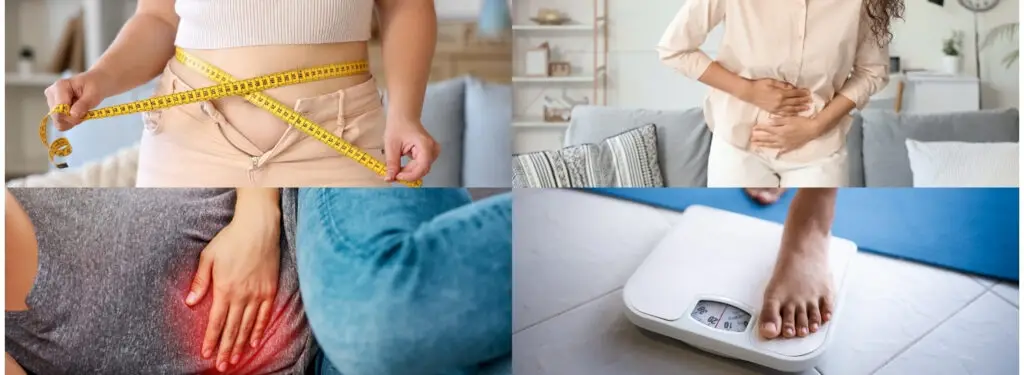
Fibroids rarely cause true weight gain. Most fibroids weigh only grams to a few hundred grams. Large or multiple fibroids, though, can enlarge the uterus, push the belly outward and cause bloating. That can make your stomach look bigger, or…
Can Fibroids Be Cancerous? Fibroids vs. Uterine Sarcoma Explained

Fibroids are benign growths and do not turn into cancer. Having fibroids does not raise your risk of uterine cancer. A rare cancer called leiomyosarcoma can look like a fibroid on imaging, so bleeding after menopause or a fast-growing mass…
Can Fibroids Affect Your Health? Anemia, Pain, Pressure and Other Complications

Fibroids can affect your health beyond the uterus by causing iron-deficiency anemia from heavy bleeding, pressure on the bladder and bowel, back and leg pain, pain during sex, fertility problems and pregnancy complications. Most fibroids are not dangerous, but these…