How to Check for Fibroids at Home: Early Signs and a Symptom Diary That Helps
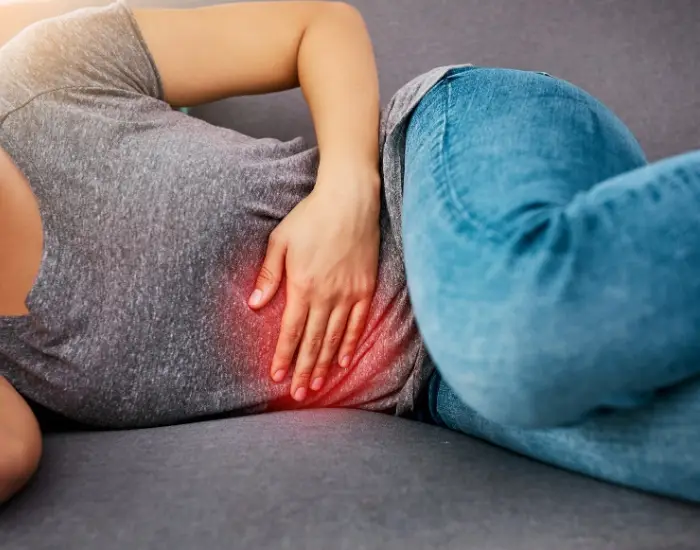
You cannot diagnose fibroids at home, but you can track the signs that suggest them: heavy or long periods, clots, pelvic pressure, frequent urination and a firm, growing lower belly. A simple symptom diary over two or three cycles gives…
Fibroids and Blood Clots: Why Periods Get Heavy and When to Worry

Fibroids cause blood clots during periods because they make bleeding so heavy that blood pools and clots before it leaves the uterus. Clots larger than a quarter, especially with long or very heavy periods, are a common sign of fibroids.…
Do Fibroids Cause Bloating and Stomach Swelling? Signs, Causes and Relief
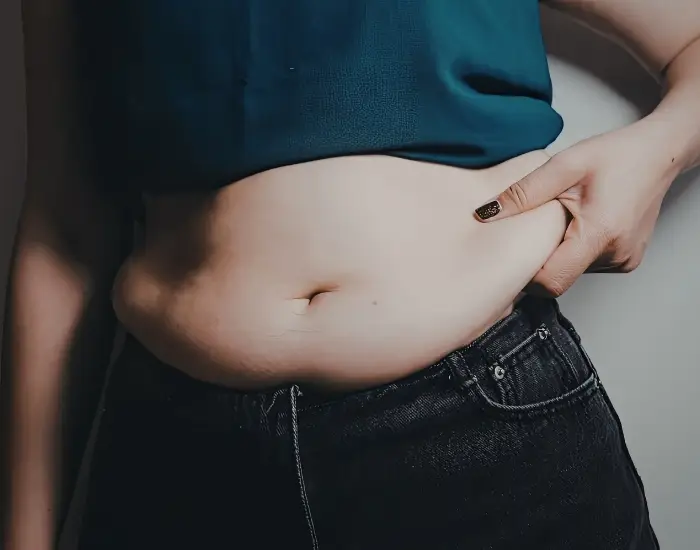
Yes, fibroids can cause bloating and stomach swelling, mainly when they are large enough to press on the bowel and bladder or enlarge the uterus. Fibroid bloating often comes with pelvic pressure, constipation and frequent urination. Unlike ordinary bloating, swelling…
Why Do I Feel Pressure on My Pelvic Floor? Causes, Fibroids and Relief
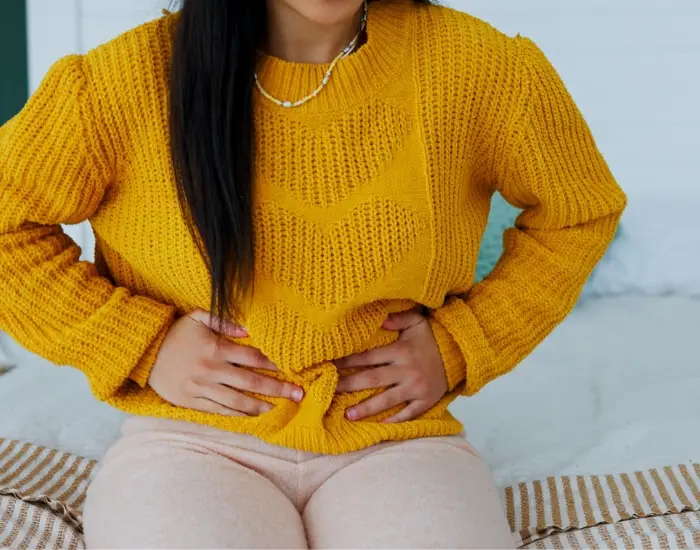
Pressure on the pelvic floor usually comes from something pressing down on it, such as pelvic organ prolapse, large fibroids, constipation or pregnancy, or from tight or weak pelvic floor muscles. The feeling is often described as heaviness or something…
Fibroid Belly: Why Your Stomach Looks Pregnant and What Treatment Changes
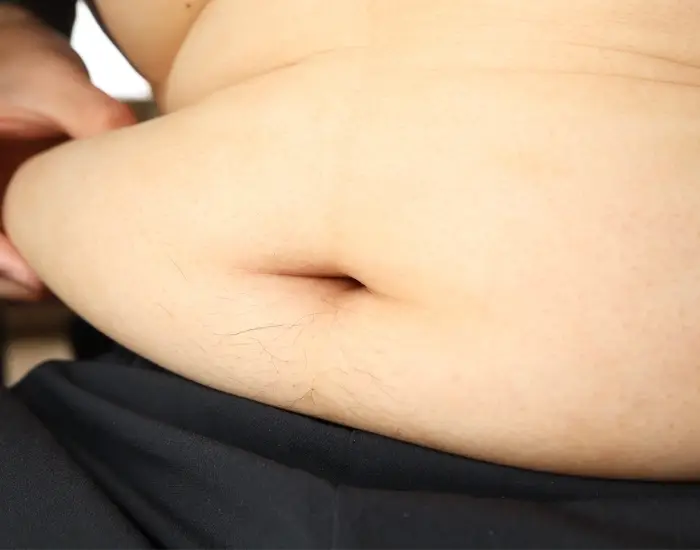
A fibroid belly is a firm, rounded lower abdomen caused by large or multiple fibroids enlarging the uterus, which can make you look pregnant. It does not shrink with diet or exercise because the bulge is the uterus, not fat.…
Can Fibroids Cause Infertility? Which Fibroids Matter and What Helps

Fibroids can cause infertility, but most women with fibroids can still get pregnant. Fibroids that bulge into the uterine cavity (submucosal) have the clearest link to lower pregnancy and implantation rates, and removing them appears to help. Fibroids on the…
Fibroids and Heavy Bleeding: Causes, Anemia and Treatments That Work
Fibroids cause heavy bleeding by enlarging and distorting the uterine lining and increasing blood flow to the uterus. Fibroids that grow into or near the uterine cavity are the most likely to cause long, heavy periods and clots. Treatments range…
How to Shrink Fibroids Naturally: What the Evidence Really Shows
No diet or supplement has been proven to make established fibroids disappear. Early studies suggest vitamin D and green tea extract (EGCG) may slow fibroid growth or modestly shrink fibroids, and a healthy weight and diet may lower your risk.…
What Causes Fibroids? Genes, Hormones and Risk Factors Explained
Fibroids are caused by a mix of genetic changes in uterine muscle cells and the hormones estrogen and progesterone, which fuel their growth. Risk is higher with age in the reproductive years, family history, being Black, obesity, low vitamin D,…
Early Signs of Uterine Fibroids Many Women Overlook
Early signs of uterine fibroids include periods that are slightly heavier or longer than before, small clots, spotting between periods, mild pelvic fullness, needing to urinate more often and lower back ache. These signs are easy to dismiss because they…