Do Uterine Fibroids Affect Metabolism and Hormones?
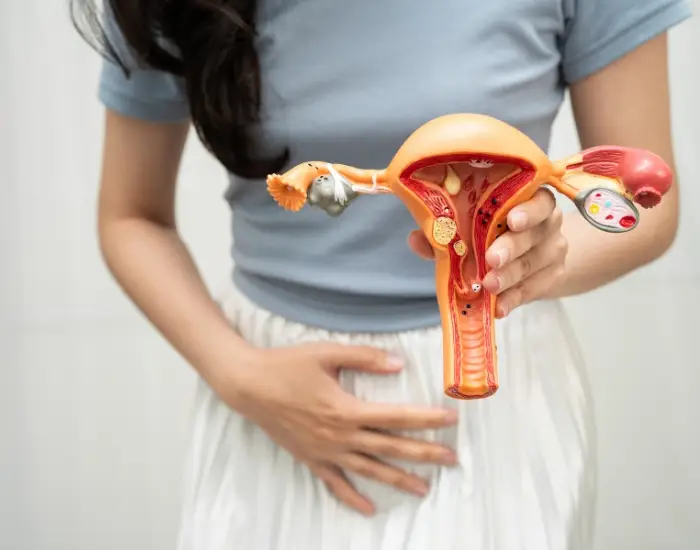
Uterine fibroids do not change your metabolism or the amount of hormones your body makes, but they are strongly driven by estrogen and progesterone. Fibroids also make some estrogen locally inside their own tissue. Research links fibroids with obesity and…
Why Do Fibroids Cause a Protruding Lower Belly?
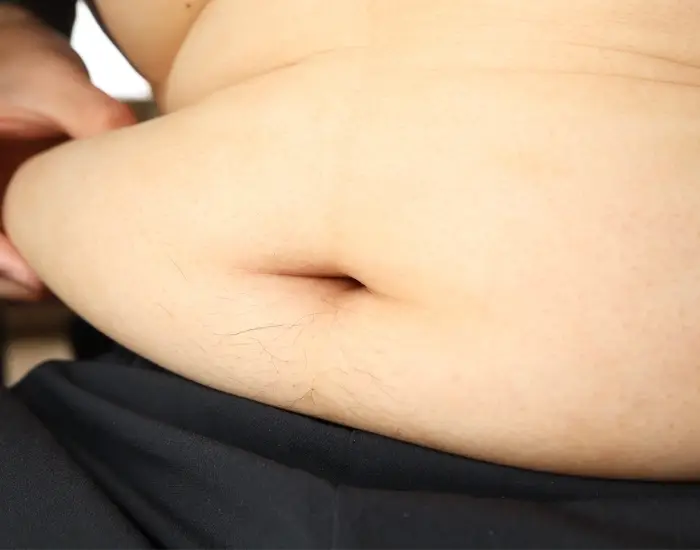
Fibroids cause a protruding lower belly because they enlarge the uterus, which sits just above the pubic bone and pushes the lower abdominal wall forward as it grows. A uterus with large or multiple fibroids can reach the size of…
Severe Menstrual Cramps: Causes, Fibroids, Relief and When to See a Doctor
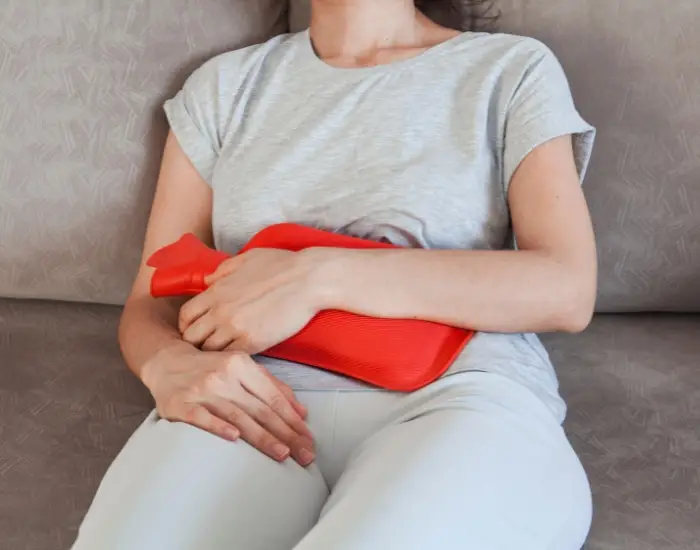
Severe menstrual cramps are usually caused by high levels of prostaglandins, which make the uterus contract strongly, or by conditions such as endometriosis, adenomyosis and fibroids. Cramps that stop you from working, worsen over time or do not respond to…
Frequent Urge to Urinate in Females: Causes, Fibroids and When to Worry

A frequent urge to urinate in women is most often caused by urinary tract infections, overactive bladder, drinking a lot of fluids or caffeine, pregnancy, diabetes or pressure on the bladder from fibroids or prolapse. Fibroids on the front of…
Lower Abdominal Bloating in Females: Causes, Warning Signs and Relief
Lower abdominal bloating in women is most often caused by digestion, gas, constipation or hormone changes around the menstrual cycle. Gynecologic conditions such as fibroids, ovarian cysts and endometriosis can also cause it. Bloating that lasts most days for more…
Fibroids During Pregnancy: Risks, Pain, Delivery and What to Expect
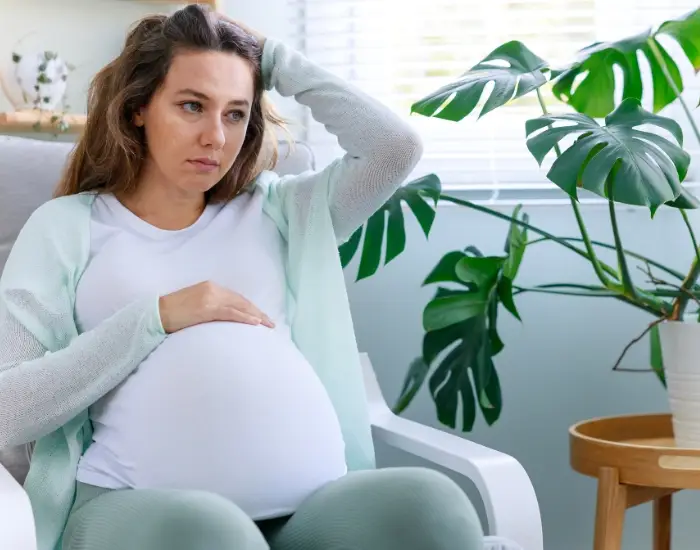
Most women with fibroids have healthy pregnancies and deliveries. Fibroids can grow in the first trimester, cause pain if they outgrow their blood supply, and sometimes affect the baby’s position or the type of delivery. Large or numerous fibroids usually…
Why Is My Period So Heavy? Common Causes, Warning Signs and Treatment

Heavy periods are most often caused by uterine fibroids, polyps, adenomyosis, hormone imbalance, perimenopause, thyroid problems, bleeding disorders or certain medicines. A period is considered heavy if you soak a pad or tampon every one to two hours, bleed longer…
7 Foods That May Help With Fibroids (and Foods to Limit)
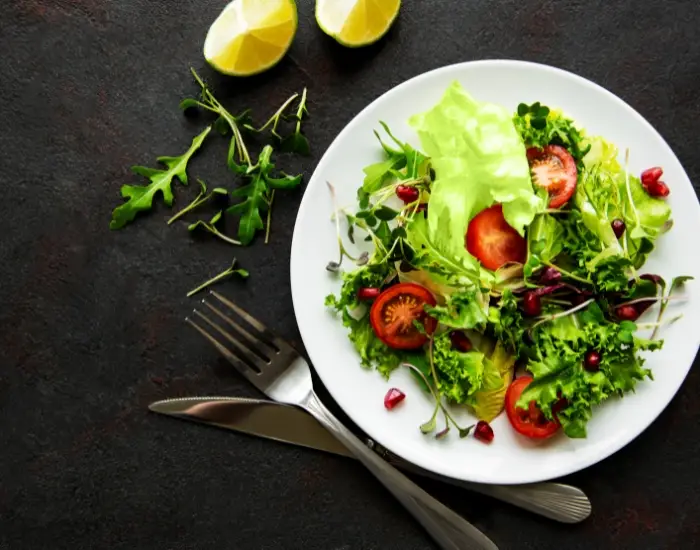
No single food shrinks fibroids, but a diet rich in leafy greens, cruciferous vegetables, fruit, fatty fish, beans, whole grains and green tea is linked to lower fibroid risk and better symptom control. Limiting red and processed meat, alcohol and…
Fibroid Treatment Without Surgery: UFE, Medications and Other Options Compared
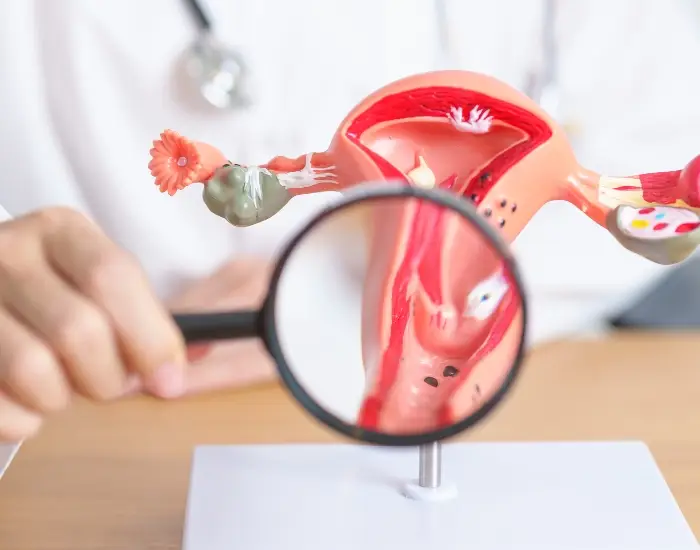
Fibroids can be treated without surgery using uterine fibroid embolization (UFE), medications that control bleeding, and in some cases focused ultrasound or radiofrequency ablation. UFE is the most established non-surgical option that shrinks all fibroids at once while keeping the…
What Causes Constant Pelvic Pressure? Fibroids, Prolapse and Other Causes
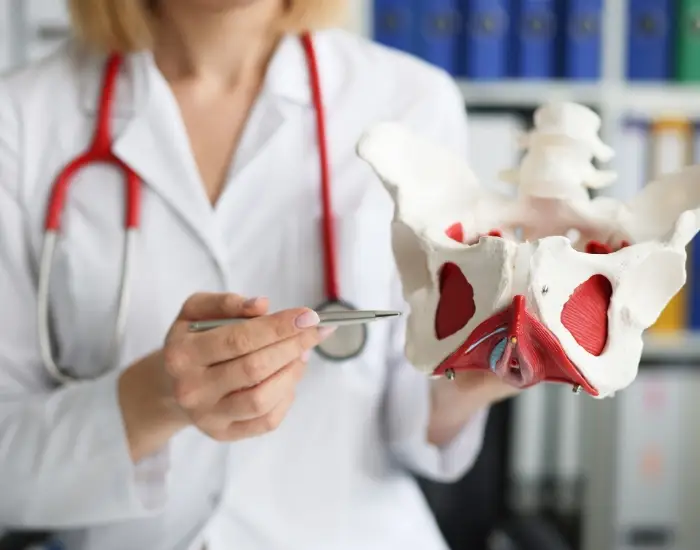
Constant pelvic pressure is most often caused by uterine fibroids, pelvic organ prolapse, ovarian cysts, chronic constipation, bladder conditions or endometriosis. Pressure that lasts for weeks, grows worse or comes with heavy periods, urinary changes or a growing belly should…