Fibroids and Heavy Bleeding: Causes, Anemia and Treatments That Work
Fibroids cause heavy bleeding by enlarging and distorting the uterine lining and increasing blood flow to the uterus. Fibroids that grow into or near the uterine cavity are the most likely to cause long, heavy periods and clots. Treatments range…
How to Shrink Fibroids Naturally: What the Evidence Really Shows
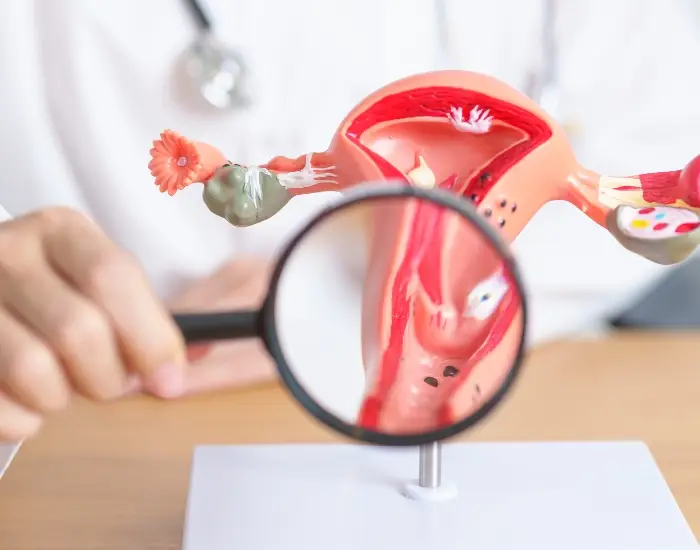
No diet or supplement has been proven to make established fibroids disappear. Early studies suggest vitamin D and green tea extract (EGCG) may slow fibroid growth or modestly shrink fibroids, and a healthy weight and diet may lower your risk.…
What Causes Fibroids? Genes, Hormones and Risk Factors Explained
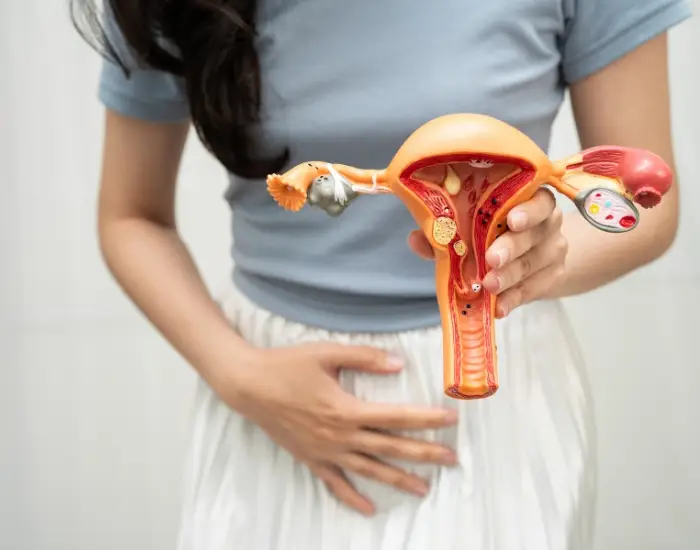
Fibroids are caused by a mix of genetic changes in uterine muscle cells and the hormones estrogen and progesterone, which fuel their growth. Risk is higher with age in the reproductive years, family history, being Black, obesity, low vitamin D,…
Early Signs of Uterine Fibroids Many Women Overlook
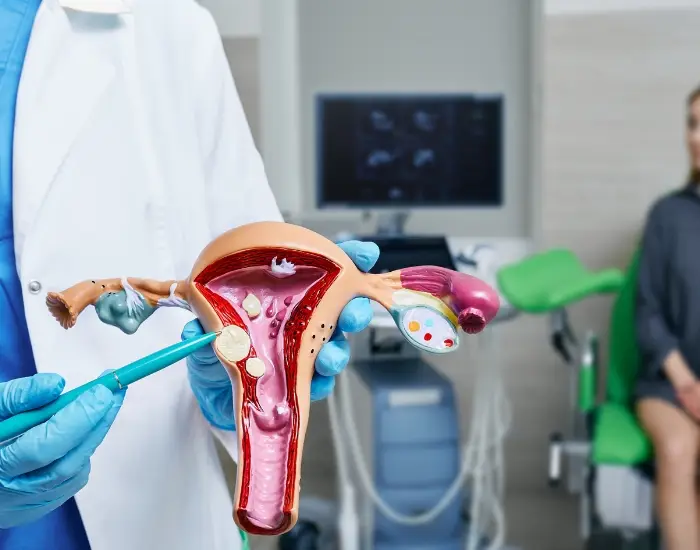
Early signs of uterine fibroids include periods that are slightly heavier or longer than before, small clots, spotting between periods, mild pelvic fullness, needing to urinate more often and lower back ache. These signs are easy to dismiss because they…
Fibroids and Fertility: Your Journey From Diagnosis to Parenthood
The path from a fibroid diagnosis to parenthood usually has five steps: mapping your fibroids, checking overall fertility, deciding whether treatment is needed, recovering if you have a procedure and then trying to conceive with monitoring. Many women never need…
Trying to Conceive With Fibroids: How They Affect Pregnancy and What to Do
Many women conceive naturally with fibroids, especially when the fibroids do not touch the uterine cavity. Fibroids inside the cavity are the type most likely to delay pregnancy, and removing them can help. If you have been trying for 12…
Do Fibroids Go Away on Their Own? When to Wait and When to Treat

Most fibroids do not go away on their own before menopause. They usually stay the same size or grow slowly, then shrink after menopause when hormone levels fall. Small fibroids without symptoms can be monitored, while fibroids that cause heavy…
Fibroids and Miscarriage: What the Research Shows and How to Plan a Pregnancy
Most women with fibroids have healthy pregnancies, and fibroids alone do not clearly raise miscarriage risk for everyone. Fibroids that grow into the uterine cavity are the type most often linked to pregnancy loss and lower implantation. A specialist can…
Uterine Fibroids: Types, Causes, Symptoms and Treatment Options

Uterine fibroids are common, noncancerous growths of the uterine muscle that affect most women by age 50. Many cause no symptoms, while others cause heavy periods, pelvic pressure, frequent urination or fertility problems. Treatment ranges from monitoring and medication to…
Do I Have Fibroids? 10 Warning Signs and How to Get a Diagnosis

The most common warning signs of fibroids are heavy or long periods, pelvic pressure or fullness, frequent urination, a growing lower belly and pain in the pelvis or lower back. Many women with fibroids have no symptoms at all. Only…